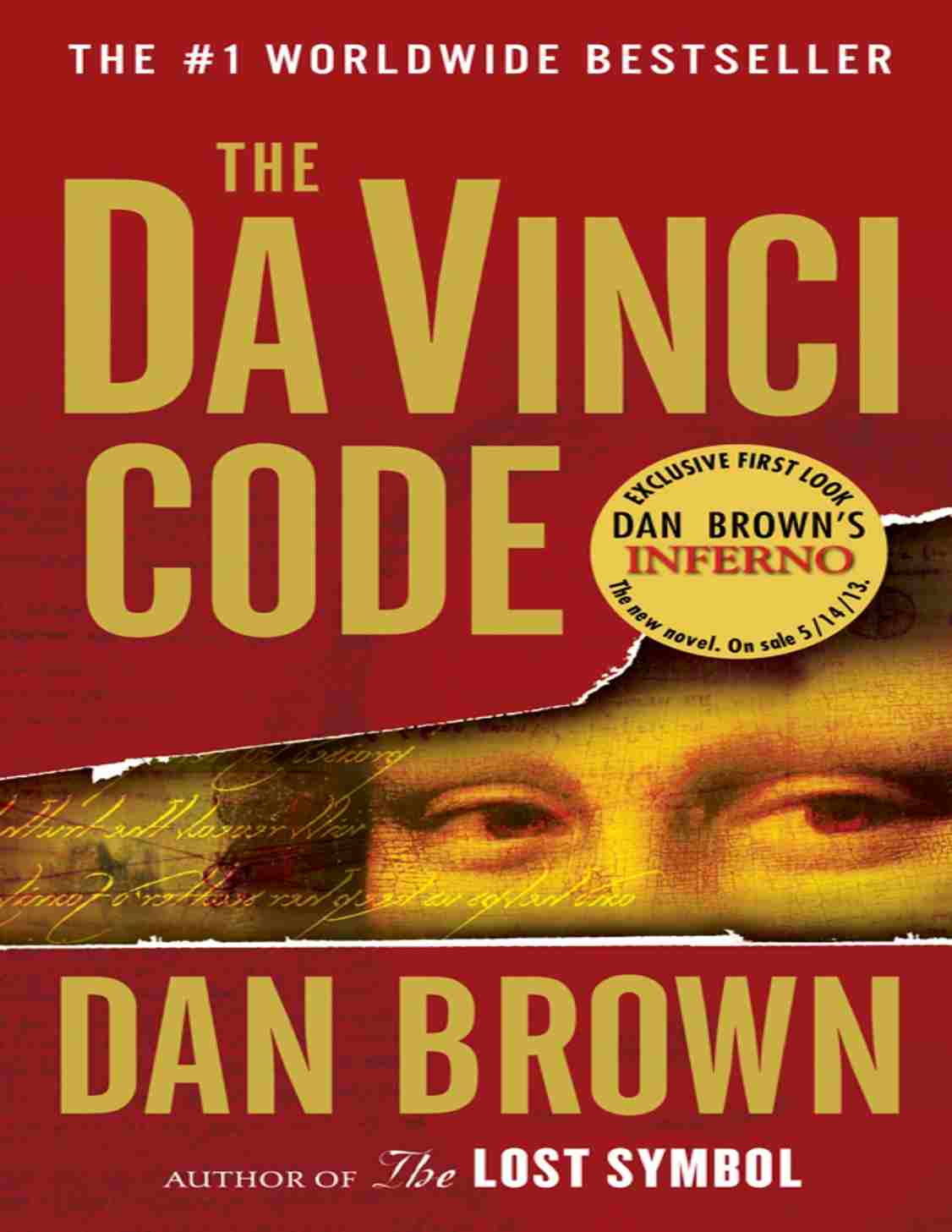
The Da Vinci Code by Dan Brown is a fast-paced intellectual thriller that blends history, art, religion, and cryptography into a gripping global mystery. The novel begins in the Louvre Museum in Paris, where the curator, Jacques Saunière, is found murdered under mysterious circumstances. Before his death, Saunière leaves behind a series of cryptic clues—symbols, numbers, and hidden messages—that spark an extraordinary quest filled with danger and revelation.
Harvard symbologist Robert Langdon is summoned to assist French police in deciphering the strange symbols found at the crime scene. He is soon joined by Sophie Neveu, a gifted cryptologist and the granddaughter of the murdered curator. As the investigation unfolds, Langdon and Sophie discover that the clues point far beyond a single murder, leading them into the heart of a centuries-old secret protected by a clandestine society.
The story takes readers across famous European landmarks, including the Louvre, Westminster Abbey, and Rosslyn Chapel, as Langdon and Sophie race against time to decode puzzles hidden in art, architecture, and historical texts. Central to the mystery are the works of Leonardo da Vinci, whose paintings and notebooks conceal symbols that challenge conventional interpretations of religious history.
At the core of the novel lies a controversial premise: the suggestion that certain fundamental beliefs about Christianity, the Holy Grail, and the role of Mary Magdalene have been deliberately altered or concealed by powerful institutions over centuries. As Langdon and Sophie unravel layers of deceptionistanierspanning from secret brotherhoods to religious organizations, they uncover a truth that could profoundly alter humanity’s understanding of faith, history, and power.
Dan Brown masterfully combines factual references with imaginative speculation, creating a narrative that feels both scholarly and thrilling. Short chapters and constant cliffhangers keep the tension high, while the puzzles invite readers to think critically and engage intellectually with the story. The novel raises compelling questions about belief, authority, symbolism, and the intersection of science and religion.
The Da Vinci Code is not only a suspenseful adventure but also a cultural phenomenon that sparked widespread debate and renewed interest in art history, religious studies, and secret societies. Whether read as a thrilling mystery or as a thought-provoking exploration of historical possibilities, the book captivates readers with its blend of action, intellect, and controversy.
This novel is ideal for readers who enjoy fast-moving plots, clever riddles, and stories that challenge accepted narratives. It remains one of the most influential and widely read thrillers of modern times.

Reviews
There are no reviews yet.